Cost of Directional Drilling
Directional drilling is a method used to install underground utilities and infrastructure with minimal surface disruption. The final project costs can vary significantly based on factors such as the scope of work, materials required, labor intensity, and specific site conditions. These variables influence overall pricing and should be considered when planning a project.
Because of the many elements involved, it is recommended to obtain detailed estimates from local providers to understand the potential costs for directional drilling services. Comparing quotes can help identify options that align with project needs and budget constraints, while recognizing that final pricing will depend on the unique details of each site and project scope.
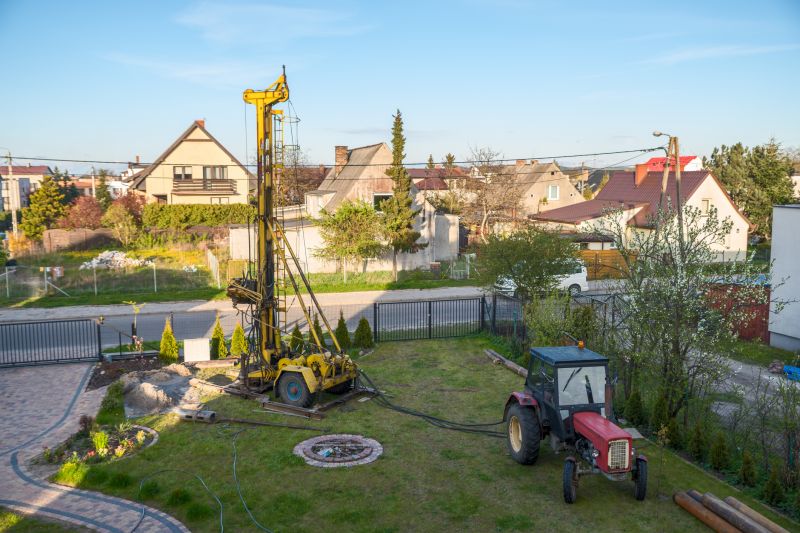
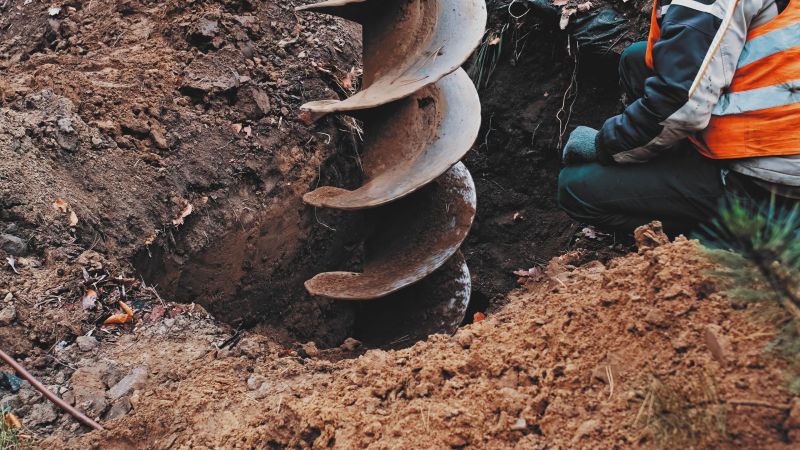
Estimated Price Range
$1,200 - $2,800 (smaller scope)
$5,000 - $15,000 (medium scope)
Directional drilling project costs vary based on depth, length, and soil conditions.
| Project Type | Typical Range |
|---|---|
| Shallow Utility Installation | $1,200 - $3,000 |
| Medium Depth Utility Lines | $5,000 - $10,000 |
| Deep Oil & Gas Wells | $20,000 - $80,000 |
| Environmental Boreholes | $3,500 - $8,000 |
| Pipeline Installation | $15,000 - $50,000 |
| Municipal Sewer Lines | $10,000 - $25,000 |
Understanding Cost Factors
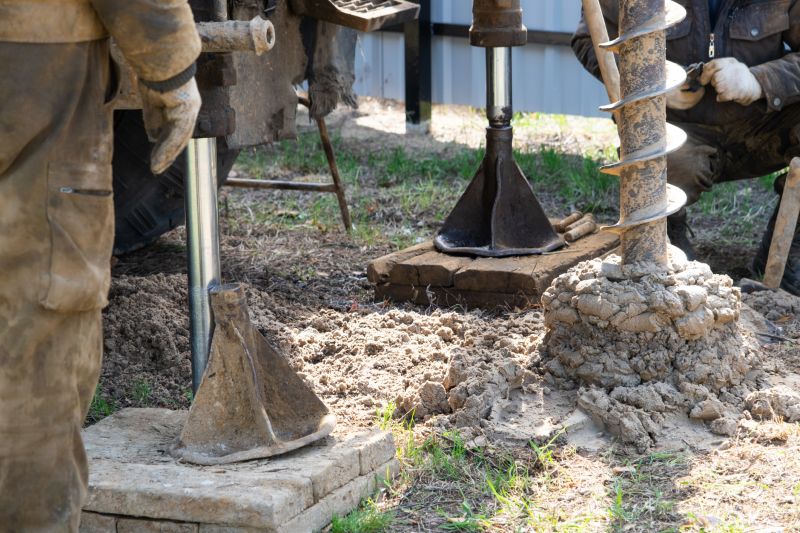
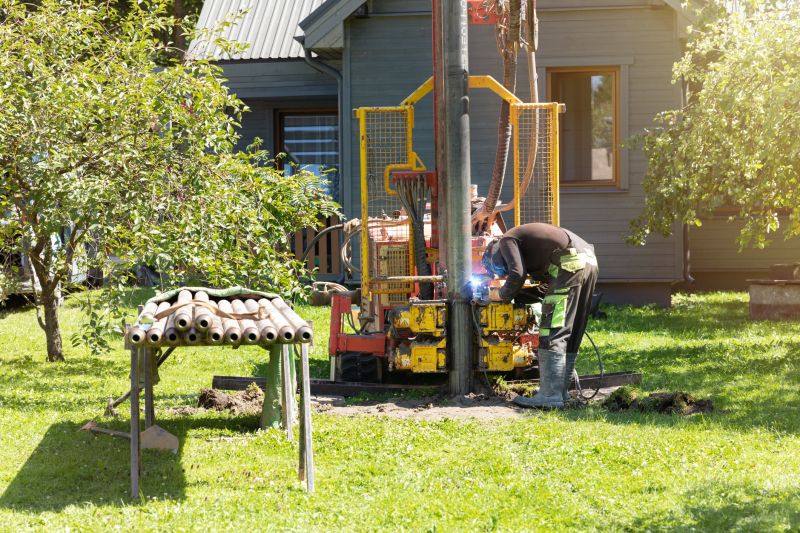
Directional drilling is a method used to install underground utilities and infrastructure with minimal surface disruption. It involves precise drilling techniques to navigate beneath obstacles and sensitive areas, making it suitable for a variety of project scopes.
- Materials: Typically involves specialized drill pipes, casings, and drilling fluids designed for stability and efficiency during underground navigation.
- Size and Scope: Projects can range from small installations to extensive underground networks, depending on the length and complexity of the route.
- Labor Complexity: Requires skilled operators and technical personnel familiar with directional drilling equipment and procedures.
- Permitting: May involve obtaining permits related to underground work, environmental considerations, and local regulations prior to project initiation.
- Extras: Additional services might include site preparation, bore monitoring, and post-installation testing to ensure proper placement and functionality.
Project Size and Scope
| Scope/Size | Typical Range |
|---|---|
| Small-Diameter Bores | 2-6 inches |
| Medium-Diameter Bores | 6-12 inches |
| Deep Horizontal Drilling | Up to several thousand feet |
| Shallow Utility Installations | Up to 200 feet |
These ranges are approximate and can vary based on project specifics and site conditions.